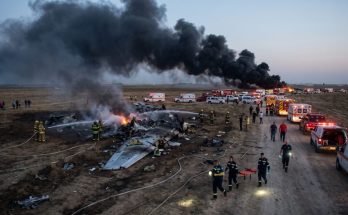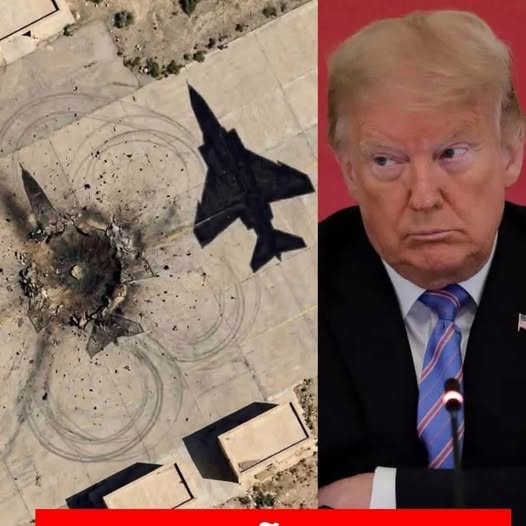
A recent viral headline claimed that Iran painted warplanes on concrete, prompting a flurry of speculation, fear, and alarm across social media. Images and posts circulated widely, with some users interpreting the story as an imminent military threat or a prelude to conflict. Yet, as it turns out, the reality is far less alarming — though the incident does reveal insights into military strategy, media consumption, and the power of sensationalist headlines.
What Actually Happened
Reports indicate that the images of warplanes painted on concrete were part of Iranian military training exercises. Such markings are often used in simulations to train personnel in identifying aircraft or to act as decoy installations. The purpose of these exercises is typically one of preparation, rather than an offensive military maneuver.
Experts in military strategy explain that decoy markings and camouflage have long been used globally:
Decoy airfields: Countries have historically used painted or inflatable aircraft to mislead reconnaissance satellites or enemy intelligence.
Training exercises: Mock-ups allow pilots and ground forces to practice tactics in a safe environment.
Psychological operations: While less common, visual simulations can create uncertainty for observers without causing actual harm.
In this case, the warplane images on concrete were intended for training and strategic practice, not for launching attacks. Importantly, there were no casualties, no active threats, and no attacks associated with these markings.
Why the Story Went Viral
The initial headline and images were widely shared before readers had context. Social media algorithms often prioritize sensational or alarming content, which explains the rapid spread.