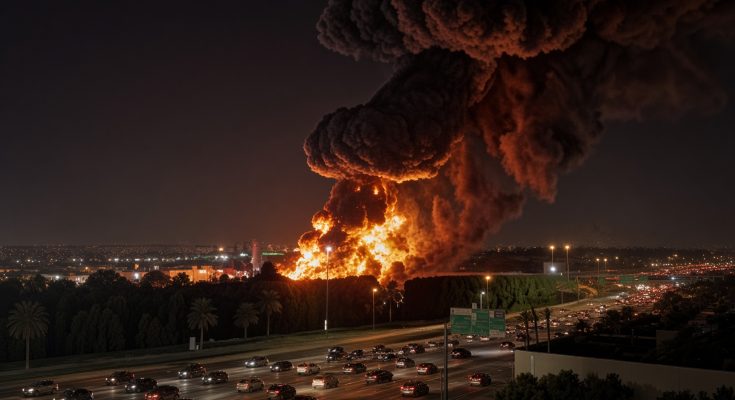
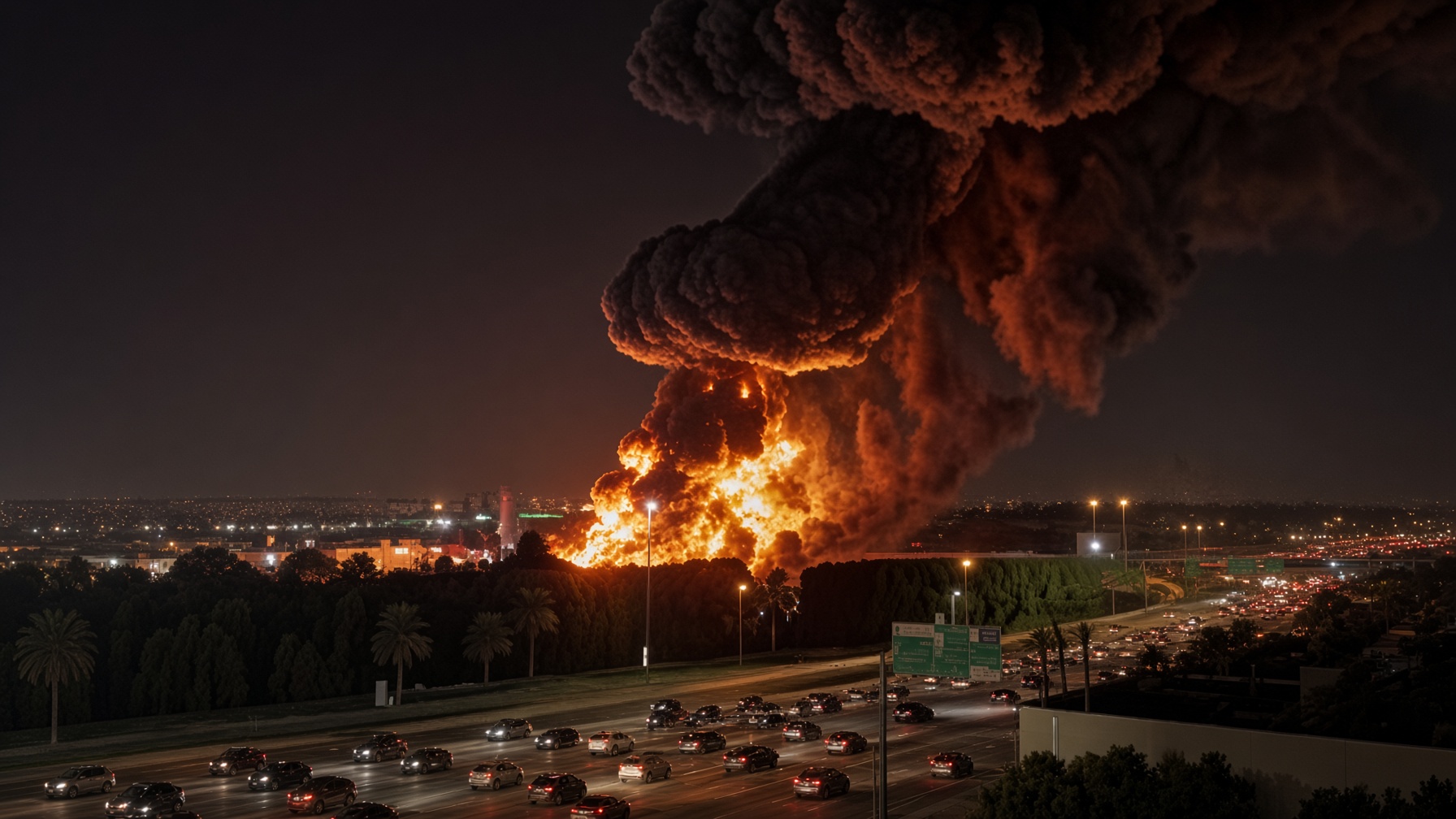
BEIT SHEMESH, Israel — A devastating Iranian ballistic missile strike tore through a residential enclave west of Jerusalem on March 1, killing nine civilians, injuring more than 40 others, and leveling a neighborhood synagogue. The incident has thrust Israeli air defense reliability and civilian shelter resilience under intense scrutiny amid spiraling regional warfare.
The weapon—estimated to carry a 500-kilogram warhead—impacted the Tiferet Israel synagogue shortly before 2:00 p.m. local time, directly penetrating a public reinforced bomb shelter located beneath the sanctuary. Warning sirens had echoed across central Israel moments earlier, prompting residents to rush to nearby protective infrastructure before the blast reduced the complex and adjacent homes to fractured concrete and twisted rebar.
First responders confronted severe structural instability while digging through debris to extract survivors. Emergency medical teams treated dozens at the scene, transporting victims with critical blast-wave trauma and shrapnel injuries to regional trauma centers across Jerusalem.
Investigating the Defense Breach
The direct hit triggered urgent inquiries by the Israel Defense Forces (IDF) into the failure of layered missile interception systems, which had engaged incoming threats across the corridor but failed to neutralize the projectile before impact.
Concurrently, an Israeli Home Front Command engineering probe addressed widespread public alarm regarding the shelter’s catastrophic breach. Investigators concluded the underground facility conformed to all statutory civil-defense structural codes; rather than suffering a design flaw, the shelter was simply overwhelmed by the kinetic energy and explosive mass of a heavy ballistic munition.
Officials clarified that casualties occurred across multiple micro-locations: while some died inside the breached bunker, others were caught in the blast radius at the entrance or in nearby open thoroughfares while attempting to take cover.
Civilian Casualties and Communal Trauma
The nine fatalities cut deep lines of grief through local families. Victims included three teenage siblings from the Biton family—Yaakov, Avigail, and Sara—whose deaths have become a focal point of national mourning. Authorities also confirmed the deaths of Sara Elimelech and her adult daughter, Ronit; Bruria Cohen and her adult son, Yosef; 16-year-old Gabriel Baruch Revach; and 46-year-old Oren Katz.
Displaced residents face widespread structural condemnations, with blast damage rendering adjacent residential blocks uninhabitable indefinitely.
International Legal Scrutiny
The strike forms part of a wider escalatory cycle between Tehran and Tel Aviv, characterized by recurrent long-range salvos and retaliatory air operations that increasingly imperil urban centers.
Amnesty International examined geolocation data, satellite imagery, and witness testimony from the Beit Shemesh site. The rights group affirmed the weapon was an Iranian ballistic missile and called for an independent inquiry into potential violations of international humanitarian law, citing the indiscriminate risks posed by deploying heavy, unguided or wide-impact munitions into dense residential sectors.
As military investigators assess technical countermeasures to close interceptor gaps, Beit Shemesh remains locked in mourning, grappling with the physical destruction and the harsh reality that standard civil defense measures offer limited guarantees against direct ballistic hits.