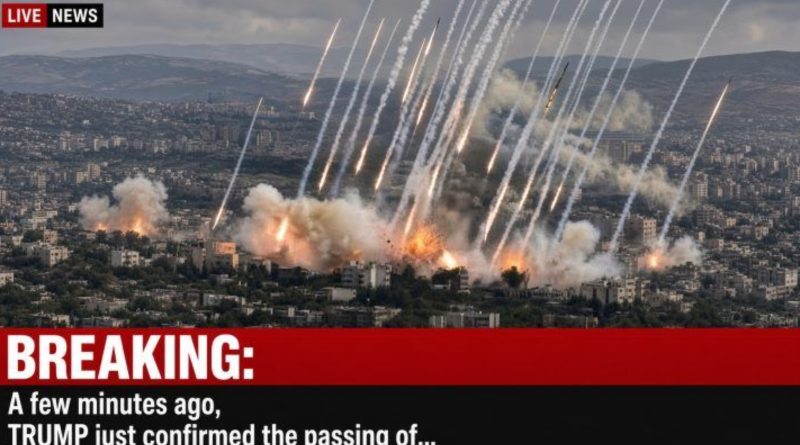
Reports circulating online about an alleged rocket attack in Los Angeles, involving explosions, fires, damaged buildings, and possible casualties, have raised concerns about public safety. However, the claims require independent confirmation, and key details about the alleged incident-including its location, timing, cause, and the number of people affected-remain unclear. The circulating account describes a series of explosions affecting residential and commercial areas, with residents reportedly fleeing buildings as emergency personnel responded. No independently verified information was provided to establish the scale of the alleged attack or confirm that rockets were responsible. In a developing emergency, authorities typically work to determine the source of explosions, assess structural damage, identify injured people, and establish whether additional hazards remain. Until reliable information becomes available, unverified descriptions should not be treated as a confirmed account of events.
According to the circulating account, residents heard several loud blasts before fires broke out in affected areas. The reports describe damage to buildings and infrastructure across multiple blocks, prompting concerns about possible evacuations and risks to nearby properties. Witnesses were also said to have described shattered windows, shaking buildings, and unusual sounds shortly before the reported explosions. Such accounts can help investigators reconstruct an incident, but eyewitness descriptions alone may not establish what caused an explosion. Investigators generally examine physical evidence, damage patterns, surveillance recordings, and other available information before determining whether an event involved rockets, another type of explosive device, an industrial accident, or a different cause. At this stage, the available account does not provide sufficient verified evidence to establish the cause or confirm the full extent of the reported damage.
Unconfirmed Casualty Reports
The circulating report claims that people were killed and others sustained injuries, including burns, blast-related trauma, and breathing difficulties. However, it does not identify a confirmed casualty total or cite a named emergency agency responsible for releasing those figures. In major incidents involving explosions or fires, casualty estimates can change as emergency crews reach affected locations and hospitals evaluate patients. Authorities generally seek to distinguish confirmed fatalities from preliminary reports and to avoid releasing unverified information about victims. If a significant incident has occurred, fire departments, police agencies, emergency medical services, and local hospitals may play important roles in confirming the number of people injured and the assistance required. Until official statements or credible independent reporting establish those details, the reported fatalities and injuries should be regarded as unverified.
The account also describes rescue personnel searching damaged structures for survivors and navigating debris, blocked roads, and potentially unstable buildings. In a confirmed explosion or structural-collapse emergency, rescue teams must balance the urgency of reaching trapped people against the risk of secondary collapses, fires, damaged electrical systems, and other hazards. Authorities may establish restricted zones, close roads, and direct residents away from dangerous structures while specialists assess the scene. If explosive materials are suspected, trained bomb-disposal personnel may be required to inspect suspicious objects before areas can safely reopen. Residents should follow instructions issued by verified local emergency services and avoid entering restricted areas. Anyone who encounters a suspicious object should not approach or handle it but should notify law enforcement. These are standard precautions for explosion-related emergencies; they do not independently confirm that the specific incident described in the circulating report took place.
Relief Efforts and Verification
The report further describes possible efforts by volunteers and aid organizations to provide displaced families with shelter, medical supplies, and essential goods. When emergencies force people from their homes, immediate needs can include temporary accommodation, food, drinking water, prescription medications, transportation, and emotional support. Local relief organizations often coordinate with public agencies to identify affected households and direct assistance where it is most urgently needed. However, the available account does not identify specific aid organizations, confirmed evacuation centers, or official requests for donations connected to the alleged Los Angeles incident. Anyone seeking to assist should rely on established relief organizations and verified announcements rather than unconfirmed fundraising appeals circulating on social media.
The allegations have the potential to cause alarm if repeated without adequate evidence. Dramatic descriptions of explosions and casualties can spread rapidly online, particularly when posts include urgent language but omit essential details such as the time, precise location, or source of the information. Readers should look for confirmation from the Los Angeles Fire Department, the Los Angeles Police Department, city emergency-management officials, and established news organizations before sharing claims about an attack or its casualties. The reference to CNN in the original account does not, by itself, establish that CNN reported or verified the incident. As of the information available for this report, the alleged rocket attack, casualty figures, and descriptions of widespread destruction have not been independently confirmed. Further reporting should establish whether an incident occurred, identify its cause, and provide verified information from responsible authorities before definitive conclusions are published.