Since his initial political descent in 2015, Trump has maintained an unyielding forward momentum designed to dominate every daily news cycle. His core strategy relied on continuous confrontation, treating pause or reflection as political vulnerability. That high-velocity approach successfully carried him through two impeachments, multiple criminal indictments, the aftermath of January 6, and a historic return to the summit of executive power.
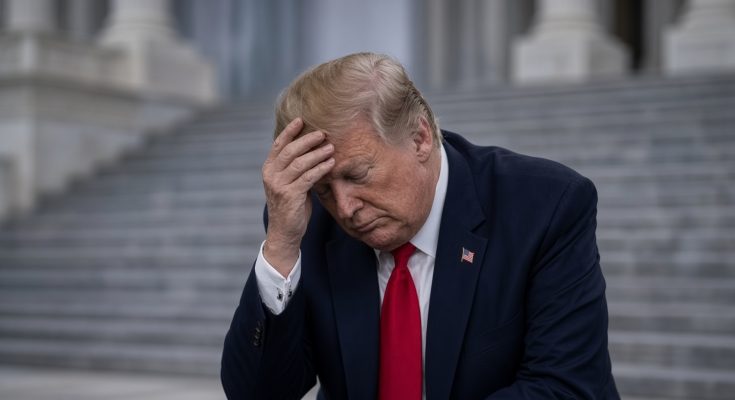
Yet, isolated from the energy of thousands of supporters and the distractions of partisan warfare, the temporary tactics of the political stage gave way to a deeper historical ledger. Veteran observers noted that decisions once launched as rapid distractions have now hardened into binding legal precedents, reconstituted appellate benches, and irreversible structural shifts in governance. The protective blur of the next major headline has thinned, exposing the unyielding boundaries of constitutional order.
This brief interlude defied easy categorization within the standard framework of modern partisan politics. Because the moment produced no viral clips for cable news panels and offered no immediate material for midnight fundraising emails, it stood entirely outside the conventional playbook. Observers on both sides of the aisle offered predictable reactions, but the underlying truth of the executive office remained untouched by partisan spin.
Ultimately, no individual occupies the Oval Office without being profoundly reshaped by the structural demands of the federal state. Authority radiates outward through transformed judiciary appointments, altered trade architectures, and enduring shifts in civic norms. As the bureaucratic machinery of Washington continues its indifferent rhythm, the personal passions of political leaders inevitably fade against the permanent backdrop of institutional governance.
- Allies and Loyalists will inevitably view the reserve as quiet resolve—the dignified composure of a transformative leader enduring relentless institutional hostility.
- Critics and Adversaries will frame it as a sign of exhaustion, the physical toll of mounting legal boundaries and the slow contraction of political room to maneuver.