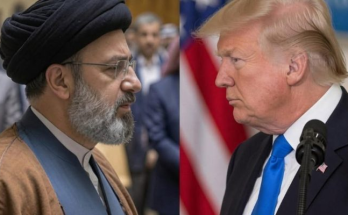

Four major global nations have officially forged a strategic military and economic alliance, dramatically shifting the balance of international power.
Four major sovereign nations have officially signed a historic geopolitical pact, uniting their military and economic resources to reshape global diplomatic dynamics. Announced during an emergency summit earlier today, the unprecedented coalition brings together key regional heavyweights in a move that has immediately caught the attention of international intelligence agencies and foreign policy experts worldwide. The agreement centers on mutual defense guarantees, coordinated supply chain management, and integrated technological development to counter emerging security threats.
The formation of this new alliance comes at a time of escalating global tensions, shifting trade routes, and widespread uncertainty regarding long-standing multilateral agreements. By pooling their considerable resources, the participating governments aim to establish a powerful counterweight to traditional superpowers and economic blocs. Analysts note that the coalition’s combined military capacity and vast industrial output will instantly create a formidable new pole in the modern multipolar world order, forcing neighboring regions to reevaluate their diplomatic strategies.
Economic cooperation stands as a foundational pillar of the newly ratified treaty, featuring provisions for immediate tariff reductions and shared energy infrastructure projects among member states. In an era marked by persistent supply chain vulnerabilities and inflationary pressures, this integrated market strategy is designed to insulate the alliance from external shocks. Financial markets reacted swiftly to the announcement, with currencies of the participating nations experiencing notable fluctuations as investors parsed the long-term implications for global commerce and resource distribution.
Defense officials from the allied nations have already begun outlining joint military exercises and intelligence-sharing protocols scheduled to commence early next month. While representatives from the coalition insist the partnership is strictly defensive and aimed at regional stability, rival nations have expressed deep concern over the strategic shift. Diplomatic channels remain active as international bodies monitor the situation closely, attempting to gauge how this sudden consolidation of power will impact ongoing geopolitical negotiations and future global security frameworks.
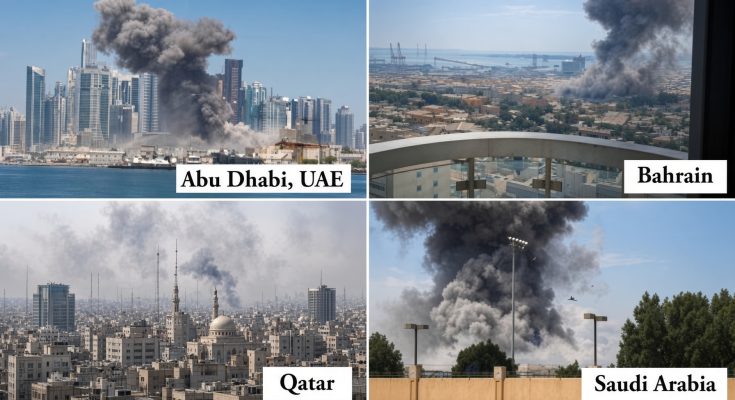
- Bahrain’s Strategic Anchorage: In Manama, Naval Support Activity Bahrain—the operational nerve center for U.S. Naval Forces Central Command and the forward headquarters of the U.S. Fifth Fleet—remains on maximum readiness posture. Interceptor batteries across the island kingdom have engaged incoming tracks seeking to target maritime support infrastructure, while military outposts in the southern Sheikh Isa sector have confronted repeated drone incursions.
- Qatar’s Forward Command Nerve Center: Al Udeid Air Base, situated southwest of Doha, houses the Combined Air Operations Center and the forward command element of U.S. Central Command (CENTCOM). Commercial high-resolution satellite imagery has confirmed physical degradation to auxiliary maintenance structures following recent rounds of saturation attacks, demonstrating that even heavily fortified garrisons face persistent leakages through air-defense curtains.
- Kuwait’s Frontline Outposts: In the north, Camp Buehring and Ali Al Salem Air Base have absorbed continuous loitering munition waves. Kuwaiti armed forces have repeatedly scrambled ground-based defenses to counter low-altitude radar-evading targets as warning sirens routinely disrupt commercial logistics hubs and strategic hydrocarbon terminals near the border.