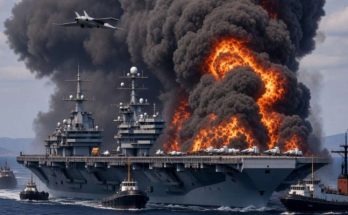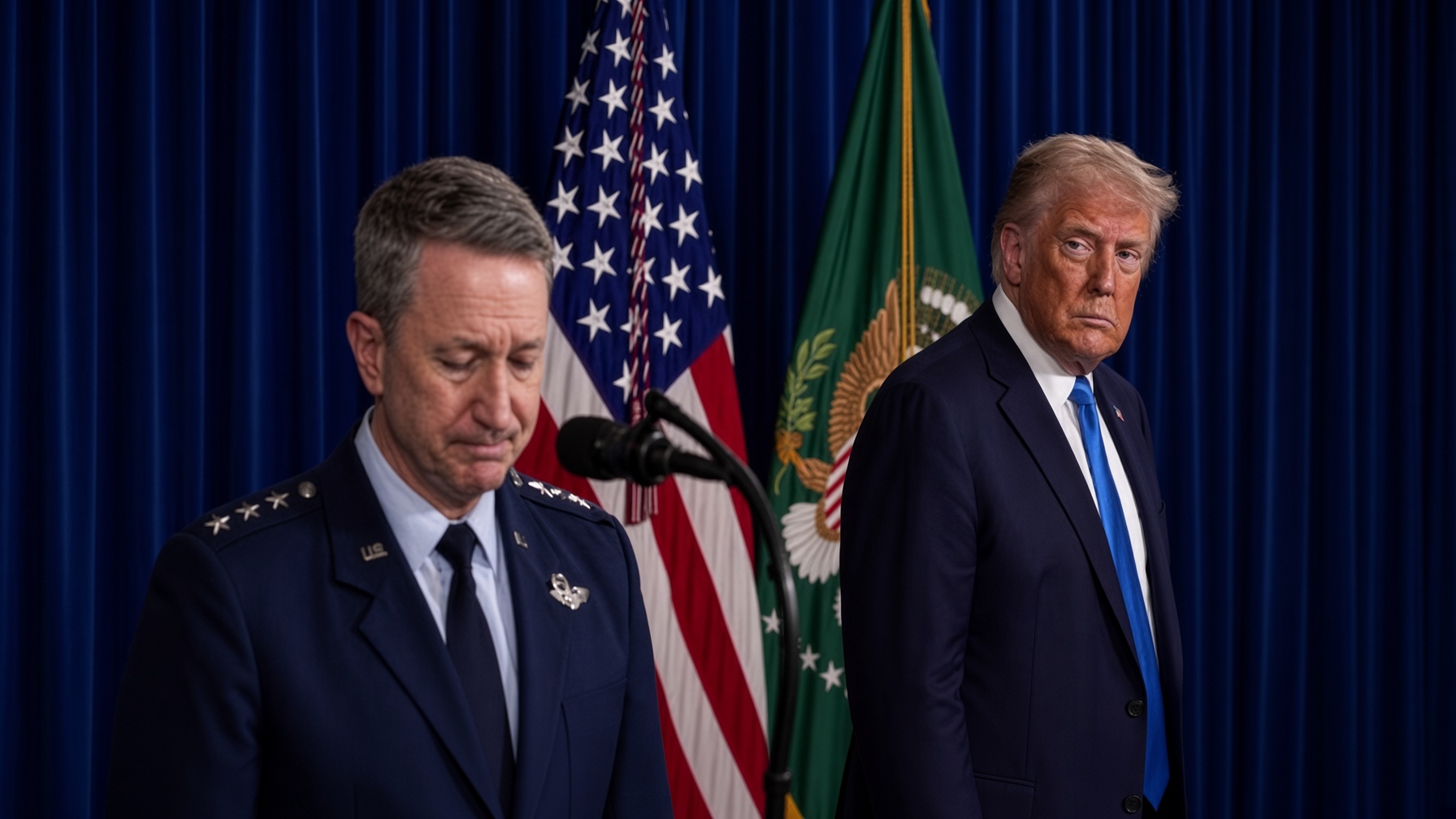
WASHINGTON — Tensions between the United States and Iran escalated sharply after Iran’s Islamic Revolutionary Guard Corps launched multiple ballistic missiles toward U.S. forces in the Middle East, prompting a U.S. military response and further widening the regional conflict.
U.S. Central Command said the IRGC launched multiple ballistic missiles from Iran on July 28 in what it described as an attempted surprise attack against American forces. CENTCOM said all of the missiles were successfully intercepted. More than 50,000 U.S. service members are operating across the Middle East, according to the command.
The missile launches came amid an increasingly volatile confrontation involving direct U.S.-Iran military operations and attacks by Iran-aligned armed groups across the region.
 U.S. Strikes Follow Iranian Missile Attack
The following day, U.S. Central Command announced a major wave of strikes against Iranian military targets. The operation targeted dozens of IRGC facilities, including military command centers, missile and drone sites, coastal surveillance and defense systems, and maritime capabilities.
CENTCOM said the strikes were intended to reduce threats posed by Iran and affiliated forces to American personnel, commercial shipping and neighboring Gulf countries.
The exchange marked another significant escalation in a conflict that has increasingly involved missiles, drones, military bases and strategic infrastructure.

 U.S. and Saudi Forces Strike in Iraq
Separately, the United States and Saudi Arabia carried out coordinated strikes against Iran-backed groups in eastern Iraq.
According to CENTCOM, the operation targeted sites associated with groups directed by Iran’s IRGC and involved facilities used for weapons and logistical operations. Reuters reported that the strikes followed attempted attacks against U.S. forces and Saudi energy infrastructure.
Saudi Arabia’s direct participation represented a significant development in the regional confrontation and underscored the growing involvement of U.S. partners.
 Regional Conflict Deepens
The latest exchange demonstrates how quickly the conflict has expanded beyond direct U.S.-Iran confrontation. Iran-aligned groups operate across parts of the Middle East, while American and allied forces continue efforts to protect military personnel, commercial shipping and critical infrastructure.
The escalation has also raised concerns about wider disruptions to energy markets and regional security. Oil prices surged following the latest developments as traders assessed the possibility of further attacks and disruptions to major shipping routes.
With military operations continuing and tensions remaining high, Washington, Tehran and their regional partners face mounting pressure to prevent the conflict from expanding even further across the Middle East.