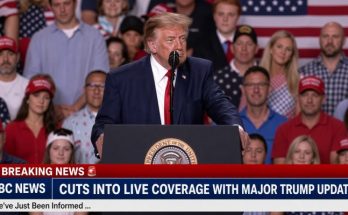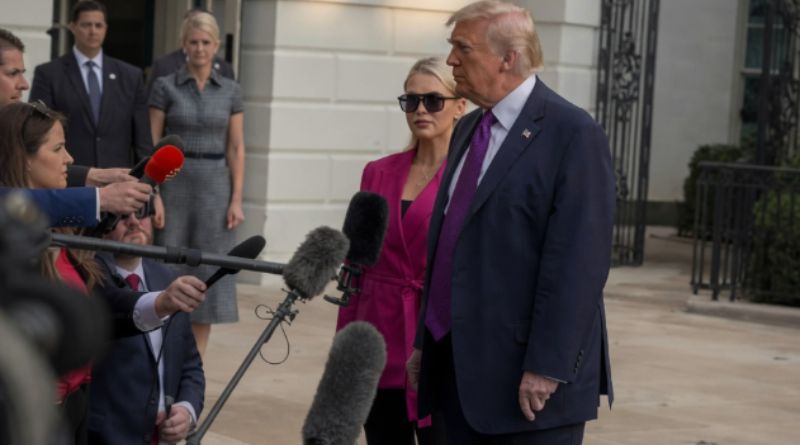
That Thursday became a historic day in the United States, marking the first time a former president faced federal criminal charges related to actions taken after leaving office. Federal prosecutors accused Donald Trump of participating in a conspiracy to defraud the United States, obstruct the certification of the 2020 presidential election, and interfere with constitutional rights connected to the voting process.
According to the indictment, prosecutors contend that the efforts to overturn the election results went beyond political disputes and evolved into a coordinated campaign to prevent the lawful transfer of presidential power. They argue that these actions posed a significant challenge to democratic institutions and the integrity of the nation’s electoral process.
The case has generated intense political and public debate across the country. Supporters of the prosecution argue that the charges reinforce the principle that no individual, regardless of office or influence, is above the law. Critics, meanwhile, contend that the prosecution is politically motivated and unfairly targets a former president who remains a prominent national political figure.
As the legal proceedings continue, the outcome will depend on the evidence presented, witness testimony, and the courts’ interpretation of the law rather than political debate. Regardless of the verdict, the case is expected to have lasting implications for discussions surrounding presidential authority, legal accountability, and public confidence in the American democratic system.