Washington didn’t see this coming. With one presidential order and a single signature, the nation’s capital changed almost overnight. Sirens cut through neighborhoods, armored vehicles moved along city streets, and an uneasy quiet settled over many communities. Crime numbers fell quickly. For many residents, however, fear did not vanish—it simply took a different form.
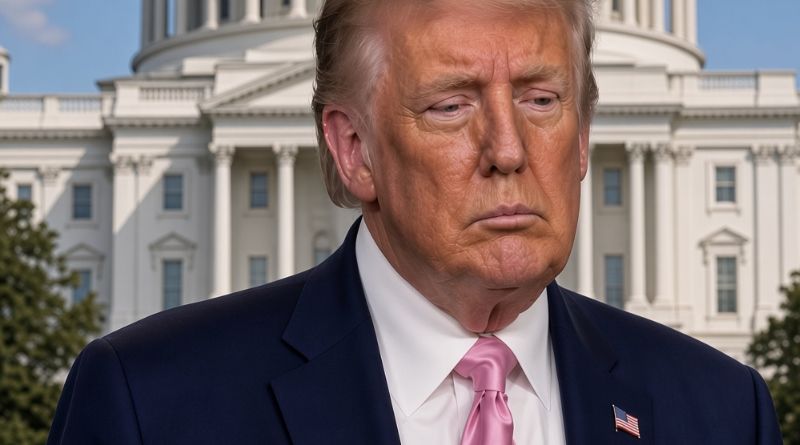
President Donald Trump’s decision to federalize elements of Washington, D.C., law enforcement accomplished in days what years of policy debates, hearings, and pilot programs had not: it altered the city’s everyday atmosphere.
Some residents say they finally feel safer. For the first time in years they walk home without constantly scanning their surroundings. Neighborhood group chats that once filled with crime alerts and cellphone videos of incidents have grown quieter. To these Washingtonians, the expanded federal presence signals long-overdue attention to public safety and recognition that their concerns were real.
On the same streets, others experience a sharply different reality. Many now live with a new kind of anxiety. Some have started noting license plates and mapping alternative routes home. Parents talk with their children about what to do if federal agents approach them after school or while playing in local parks.
Community advocates report that immigrant families have grown more reluctant to open their doors or speak with any authority figure, fearing immigration enforcement. The shift has also sown confusion inside law enforcement ranks. Local officers privately admit uncertainty about who ultimately directs responses when federal agencies, city police, and specialized task forces operate side by side.
What began as a forceful push to reduce crime has become a wider argument over the balance between security and civil liberties. Washington now sits at the center of a national question: Can a community truly feel safe when that safety arrives with fear, uncertainty, and eroded trust in public institutions? As the capital continues to adapt, the debate over what “law and order” should mean in a democracy only grows more intense.